
Are Seed Oils Really That Bad? A Nutritionist's Calm Take on the Debate Everyone's Fighting About
Quick answer: For most people, seed oils like canola, soybean and sunflower are not "toxic", and major health organizations, including the American Heart Association, still count them as a reasonable everyday fat, especially in place of butter or lard (Harvard Health; Sacks et al., 2017). The bigger issue is where most of us eat them: in deep-fried, ultra-processed and packaged foods (Cleveland Clinic). And not all seed oils are the same: cold-pressed, unrefined oils like hemp seed and flaxseed oil are a different story from highly refined industrial oils. My food-first approach: cook mostly with extra-virgin olive oil, use avocado oil for high heat, drizzle hemp or flax oil raw, and get most of your fat from whole foods like nuts, seeds, olives, avocado and fish.
If your feed is anything like mine this week, someone is calling seed oils "poison," someone else is calling that fearmongering, and you're standing in the kitchen holding a bottle of canola oil wondering who to believe.
I've spent 20+ years helping people eat well, and here's my honest take: this debate is louder than it needs to be. The oil in your pantry matters less than the overall pattern on your plate. Let's walk through it calmly.
Key takeaways
- "Seed oils" is a loose label. It usually means refined oils like canola, soybean, corn, sunflower, safflower, grapeseed, cottonseed and rice bran oil (Cleveland Clinic).
- The research is mixed on the details but steady on the big picture. Replacing saturated fat with unsaturated plant oils is linked with better heart health in decades of research (Sacks et al., 2017). A few older trials, reanalyzed, are why the debate keeps going (Ramsden et al., 2013; 2016).
- The "inflammation" claim isn't well supported in controlled trials of healthy people (Johnson & Fritsche, 2012).
- The real problem is usually the food the oil comes in: fried food, chips, cookies and packaged snacks (Harvard Health).
- Not all seed oils are equal. Cold-pressed hemp seed and flaxseed oils are unrefined, rich in omega-3 ALA, and best used raw.
What are seed oils, exactly?
Seed oils are plant oils pressed or extracted from seeds. The ones people argue about online are mostly the refined, neutral-tasting oils used in restaurants and packaged foods: canola (rapeseed), soybean, corn, cottonseed, sunflower, safflower, grapeseed and rice bran oil. Some lists include peanut oil too (Cleveland Clinic).
To make them shelf-stable and mild, most are cleaned, pressed, often extracted with a solvent called hexane, then bleached and deodorized. That processing is a big part of why people are suspicious. Harvard experts point out that any trace of hexane left in the oil is tiny compared with everyday exposures like gasoline fumes (Harvard Health).
Here's the part that gets lost: olive oil, avocado oil and coconut oil come from fruits, not seeds, and cold-pressed seed oils like hemp, flax and pumpkin seed oil are made very differently from the bottles in a fast-food fryer.
Why is everyone fighting about seed oils right now?
The seed-oil debate has been simmering for years, and this week it boiled over again on social media, with physicians and nutrition scientists trading studies back and forth. The arguments usually come down to four points:
- "They're highly processed." True for refined versions. Processing is a fair thing to think about, but it doesn't automatically make a food harmful.
- "Omega-6 fats cause inflammation." Seed oils are rich in linoleic acid, an omega-6 fat. The body can turn it into compounds involved in inflammation, but it also makes compounds that calm it (Harvard Health).
- "Old studies were hidden." Researchers recovered data from two trials from the 1960s and 70s, the Sydney Diet Heart Study and the Minnesota Coronary Experiment, and found results that didn't support swapping saturated fat for linoleic-acid-rich oils in those groups (Ramsden et al., 2013; Ramsden et al., 2016).
- "They're in everything." That one is simply true, and it's the most useful point in the whole debate.
What does the research actually show?
Here's the fair, balanced version.
The big-picture evidence still favors unsaturated plant oils over saturated fat. The American Heart Association's 2017 advisory reviewed decades of trials and concluded that replacing saturated fat with polyunsaturated vegetable oils is linked with lower cardiovascular risk (Sacks et al., 2017). An earlier AHA science advisory looked specifically at omega-6 fats and recommended against cutting them (Harris et al., 2009).
The "inflammation" worry hasn't held up well in trials. A systematic review of randomized controlled trials found that eating more linoleic acid did not raise blood markers of inflammation in healthy adults (Johnson & Fritsche, 2012). Harvard's Walter Willett put it plainly: about half of the studies show no effect, and the other half show a reduction in inflammatory factors (Harvard Chan School).
The critics have a point about some old trials. The recovered Sydney and Minnesota data are real and worth discussing. Many researchers note those trials had limits, such as the margarines of the era (which contained trans fats) and the way the studies were run. They're one piece of a much larger body of research, not the final word.
What the research doesn't show: good evidence that a drizzle of canola oil on roasted vegetables at home is harming you. Nutrition science is always evolving, and I'll keep watching, but I don't see a reason for fear.
So where is the real issue?
In my experience, the real issue is rarely the bottle in your pantry. It's the pattern.
- Fried and reheated oil. Restaurants often heat the same oil over and over at high temperatures, which creates trans fats and other unwanted compounds (Harvard Health).
- Ultra-processed foods. Seed oils hide in chips, crackers, cookies, frozen meals and even "healthy" bars. In a tightly controlled NIH study, people ate about 500 more calories a day on an ultra-processed diet than on a minimally processed one (Hall et al., 2019). That has much more to do with the whole food than with any one oil.
- Omega-3s fall short. Many of us eat plenty of omega-6 fats but not much omega-3 from foods like salmon, sardines, walnuts, flax, chia and hemp seeds. Rather than fearing omega-6, I'd add more omega-3 foods.
If you cut down on fried food and packaged snacks, you'll eat far fewer refined seed oils without having to think about it. That's the swap that matters.
Are all seed oils the same?
No, and this is my favorite part of the conversation. A cold-pressed, unrefined seed oil like hemp or flax is pressed gently without high heat or solvents. It keeps its natural color, flavor and more of its natural compounds, and it's meant to be used raw, in small amounts. That's a very different product from a refined, deodorized oil designed to survive a deep fryer.
Hemp seed oil is a lovely example. It's pressed from hemp seeds and has a nutty, grassy flavor and a deep green color. It's naturally rich in polyunsaturated fats, with omega-6 and omega-3 (ALA) in roughly a 3:1 ratio, a balance researchers often point to (review of hemp as food). Because those delicate fats break down with heat, hemp seed oil is best raw: in dressings, drizzled over grain bowls or blended into a smoothie. Keep it in the fridge. And no, culinary hemp seed oil isn't the same thing as CBD oil.
Healthy oils worth keeping in your kitchen
You don't need ten bottles. Two or three that you love is plenty. Here's my simple guide:
| Oil | Best use | Flavor | Storage |
|---|---|---|---|
| Extra-virgin olive oil | Raw, low heat and everyday sautéing and roasting | Fruity, peppery, grassy | Cool, dark cupboard; use within a few months of opening |
| Avocado oil (refined) | High heat: searing, roasting, stir-frying | Mild, buttery | Cool, dark cupboard |
| Hemp seed oil (cold-pressed) | Raw only: dressings, drizzles, smoothies | Nutty, grassy | Refrigerate; never for high-heat cooking |
| Flaxseed oil (cold-pressed) | Raw only: dressings, yogurt, oatmeal, smoothies | Nutty, slightly earthy | Refrigerate; buy small bottles |
| Walnut oil | Raw or very low heat: dressings, finishing | Rich, toasty | Refrigerate after opening |
| Pumpkin seed oil | Raw: drizzle on soups, salads, yogurt | Deep, roasted, nutty | Refrigerate after opening |
| Sesame oil (cold-pressed) | Low to medium heat, or raw; toasted sesame oil as a finishing oil | Light and nutty (toasted is bold) | Cool, dark place; refrigerate toasted |
| Canola oil | Low to high heat, baking | Neutral | Cool, dark cupboard |
| Coconut oil | In moderation: occasional baking or curries | Coconut (refined is neutral) | Room temperature |
| Butter or ghee | In moderation: flavor, low to medium heat (ghee handles higher heat) | Rich, creamy, nutty | Butter in fridge; ghee in a cool cupboard |
A note on coconut oil, butter and ghee: they're mostly saturated fat, which is why the AHA advisory doesn't recommend them as everyday swaps for plant oils (Sacks et al., 2017). I enjoy them for flavor, just in small amounts.
How to cook with oil without the stress
- Make extra-virgin olive oil your everyday oil. It's the fat that shows up again and again in Mediterranean eating, including the Blue Zones of Ikaria and Sardinia, and it's fine for normal home sautéing and roasting.
- Save high heat for avocado oil (or refined canola), and don't let any oil smoke. If it smokes, start again.
- Use the delicate oils cold. Hemp, flax, walnut and pumpkin seed oil shine as finishing oils.
- Store oils away from heat and light. A bottle next to the stove goes stale faster. Toss any oil that smells like crayons or old nuts.
- Eat your fats whole as often as you can. A handful of walnuts, a spoon of hemp hearts, half an avocado, olives or a tin of sardines bring fiber, protein and flavor along with the fat. Your gut bacteria love the fiber-rich ones; see my gut health foods list.
5 easy swaps for this week
- Swap a bottled dressing for olive oil, lemon and a pinch of salt, or try the hemp dressing below.
- Swap chips for spiced roasted nuts or olives.
- Swap fried takeout for a sheet-pan dinner roasted with olive or avocado oil.
- Add 2 tablespoons of hemp hearts or ground flax to oatmeal, yogurt or a smoothie.
- Have fatty fish like salmon or sardines once or twice a week.
My 2-minute hemp seed dressing: Whisk 2 tablespoons hemp seed oil, 1 tablespoon extra-virgin olive oil, 1 tablespoon lemon juice, 1 teaspoon Dijon mustard, a little honey and salt. Toss it over greens, roasted sweet potato and chickpeas.
Frequently asked questions
Are seed oils bad for you?
For most people, seed oils used at home in normal amounts aren't "toxic," and groups like the American Heart Association still consider unsaturated plant oils a reasonable choice, especially instead of butter or lard. The bigger concern is eating a lot of deep-fried and ultra-processed foods, which is where most refined seed oils show up.
Is canola oil healthy?
Canola oil is mostly unsaturated fat and is a decent plant source of omega-3 ALA. Harvard experts consider it a safe option for sautéing, roasting and baking. If you prefer, extra-virgin olive oil is a great everyday alternative.
Do seed oils cause inflammation?
The evidence doesn't support that claim well. A systematic review of controlled trials found that eating more linoleic acid, the main omega-6 fat in seed oils, did not raise blood markers of inflammation in healthy adults. A more useful focus is eating fewer fried and packaged foods and adding omega-3 foods like fish, walnuts, flax and hemp seeds.
Is hemp seed oil healthy, and can you cook with it?
Cold-pressed hemp seed oil is an unrefined oil with omega-6 and omega-3 ALA in roughly a 3:1 ratio and a nutty flavor. Its delicate fats break down with heat, so use it raw in dressings, drizzles and smoothies, never for high-heat cooking, and keep it in the fridge. Culinary hemp seed oil is not the same as CBD oil.
What is the best oil for high-heat cooking?
Refined avocado oil handles high heat well, and refined canola or peanut oil can too. Extra-virgin olive oil works for everyday sautéing and roasting at home. Whatever you use, don't heat oil until it smokes, and don't reuse frying oil again and again.
How do I avoid seed oils when eating out?
You don't need to interrogate the waiter. Choose grilled, roasted, baked or steamed dishes more often than fried ones, ask for olive oil and lemon for your salad, and keep fries and fried appetizers as an occasional treat.
Your next step
This week, try one change: swap one fried or packaged food for a whole-food fat, like a handful of walnuts, a hemp seed dressing or a sheet-pan dinner with olive oil.
- 🎁 Get my free Gut-Brain Starter Kit with 5 gut-loving foods, a 3-day menu with 9 easy recipes and a shopping list to restock your kitchen. You'll find all my free printables on my Free Guides page.
- 🌿 Want a full reset? My 21-Day Gut Reset ($47) is a gentle, food-first plan with one small action a day, a 68-page printable workbook and 32 recipes. You can also browse everything in my Payhip shop.
- 📖 Keep reading: Gut Health Foods List, Fibermaxxing: Is It Healthy?, Foods for Glowing Skin and Foods to Eat During Menopause.
Sources
- Harvard Health Publishing. Seeding doubt: The truth about cooking oils. March 1, 2025.
- Harvard Health Publishing. No need to avoid healthy omega-6 fats.
- Harvard T.H. Chan School of Public Health. Are seed oils healthful or harmful?
- Cleveland Clinic. Are Seed Oils Bad for You?
- Sacks FM, et al. Dietary Fats and Cardiovascular Disease: A Presidential Advisory From the American Heart Association. Circulation. 2017;136(3):e1-e23.
- Harris WS, et al. Omega-6 fatty acids and risk for cardiovascular disease: a science advisory from the American Heart Association. Circulation. 2009;119(6):902-907.
- Johnson GH, Fritsche K. Effect of dietary linoleic acid on markers of inflammation in healthy persons: a systematic review of randomized controlled trials. J Acad Nutr Diet. 2012;112(7):1029-1041.
- Ramsden CE, et al. Use of dietary linoleic acid for secondary prevention of coronary heart disease and death: evaluation of recovered data from the Sydney Diet Heart Study. BMJ. 2013;346:e8707.
- Ramsden CE, et al. Re-evaluation of the traditional diet-heart hypothesis: analysis of recovered data from Minnesota Coronary Experiment (1968-73). BMJ. 2016;353:i1246.
- Hall KD, et al. Ultra-Processed Diets Cause Excess Calorie Intake and Weight Gain: An Inpatient Randomized Controlled Trial of Ad Libitum Food Intake. Cell Metab. 2019;30(1):67-77.
- Cerino P, et al. A Review of Hemp as Food and Nutritional Supplement. Cannabis Cannabinoid Res. 2021;6(1):19-27.
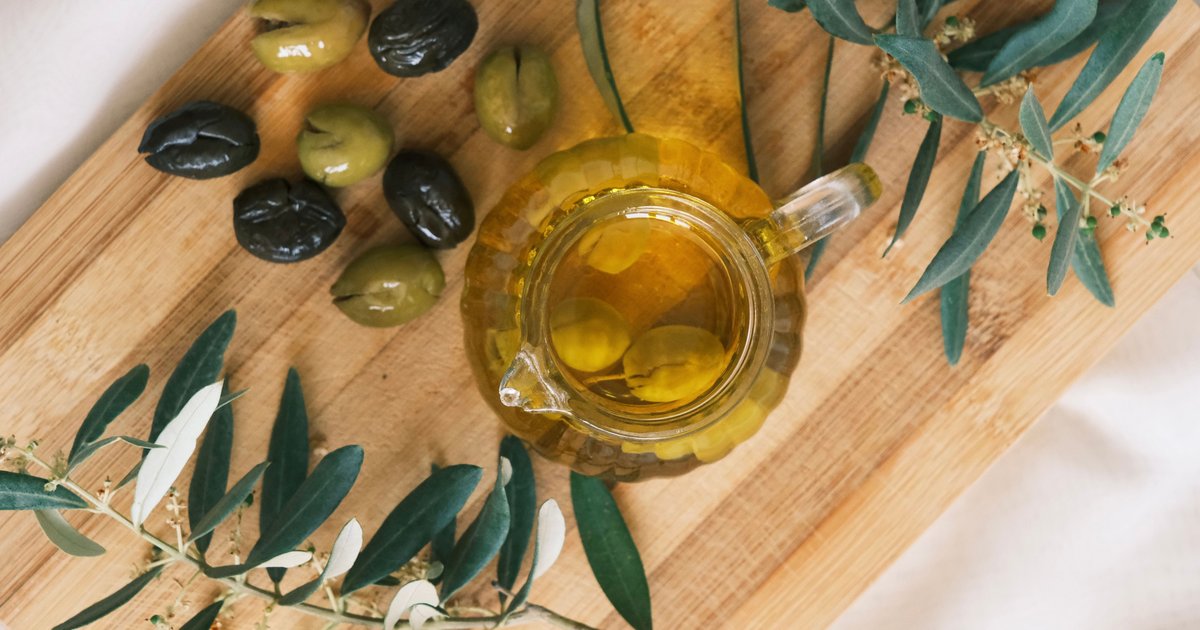
Hero photo: olive oil and olives by Rahime Gül on Pexels.

Birgit Waites, M.S.
Birgit Waites, M.S. is a Celebrity Nutritionist with an M.S. in Natural Medicine and a Board Certified Holistic Health Practitioner (AADP), with 20+ years of experience in holistic nutrition. She's the author of Healing From Within and Nourished Through the Change, and these days she's traveling the world, cooking and writing as she goes.
Disclaimer
Wellness education, not medical advice. Content in this article is for general educational purposes only and is not intended to diagnose, treat, cure or prevent any disease. Please talk with your healthcare provider before changing your diet, exercise or supplements, especially if you have a medical condition, are pregnant or nursing, or take medication.