
Pomegranate & Pistachio Hummus: A Jewel-Topped Holiday Appetizer
Birgit Waites, M.S. | Celebrity Nutritionist; M.S. in Natural Medicine; Board Certified Holistic Health Practitioner (AADP); Master Herbalist
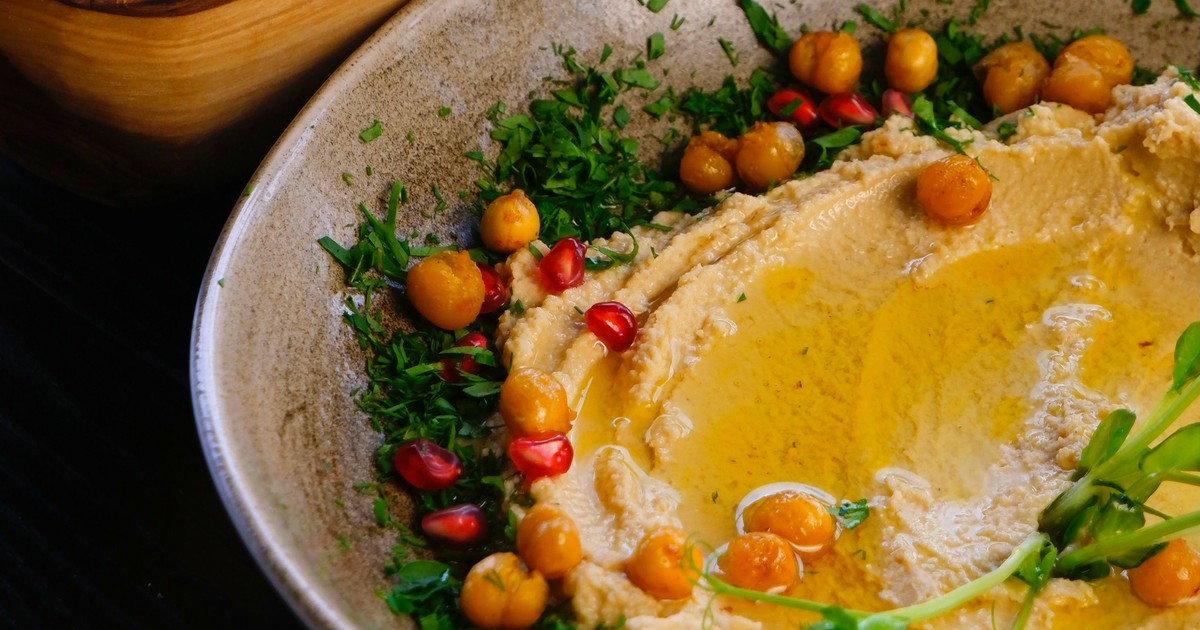
Quick answer: This pomegranate and pistachio hummus takes about 10 minutes. Blend canned chickpeas with tahini, lemon, garlic, cumin, olive oil and a splash of ice-cold water until silky, then top it with ruby pomegranate seeds, chopped pistachios, fresh herbs and a drizzle of olive oil. A serving (about ⅓ cup / 100 g, with toppings) has roughly 7 grams of protein and 5 grams of fiber (estimated, without dippers). Serve it with warm pita and crunchy vegetables. It keeps 4 days in the fridge; add the toppings just before serving.
Every holiday table needs one dish that makes people stop and say, "Oh, that's pretty." This is mine. A bowl of creamy, lemony hummus, scattered with jewel-red pomegranate seeds and bright green pistachios, looks like a celebration before anyone even takes a bite.
Hummus is one of the world's great shared foods, loved across the Middle East and the Mediterranean, and now on tables everywhere. Pomegranates and pistachios have been part of festive cooking in many of those same kitchens for centuries. Put them together and you get a bowl that feels special, costs very little, and quietly brings fiber and plant protein to the party.
This is recipe #2 in Birgit's Healthy Kitchen, my series of real-food recipes for everyday wellness. Last week was my roasted red pepper and white bean dip; this week we go jewel-toned.
Why this hummus belongs on your holiday table
Flavor first, always. The nutrition is a lovely bonus.
- Fiber and plant protein in every scoop. Chickpeas are legumes, and Harvard's Nutrition Source describes legumes as a good source of fiber and plant protein. It also notes that most people eat less fiber than recommended (Harvard T.H. Chan School of Public Health, Fiber; Legumes and Pulses).
- Pistachios bring crunch and color. Nuts are a source of healthy unsaturated fats, plant protein, minerals and fiber, so a small handful on top adds more than good looks (Harvard, Nuts for the Heart).
- Pomegranate makes it sparkle. The juicy seeds (arils) add a sweet-tart pop that cuts through the creamy tahini, plus a little extra fiber and a lot of holiday color.
- A Mediterranean-style kitchen habit. Chickpeas, olive oil, lemon, garlic and herbs are everyday flavors of a Mediterranean-style way of eating, a pattern Harvard describes as rich in vegetables, legumes, nuts, whole grains and olive oil (Harvard, Mediterranean Diet).
- More plants on one plate. In the American Gut citizen-science project, people who ate more than 30 different plant types a week had more diverse gut microbes than people who ate 10 or fewer (McDonald et al., mSystems, 2018). Chickpeas, sesame, lemon, garlic, cumin, pomegranate, pistachios and herbs: that's eight plants before you add a single dipper.
Pomegranate & Pistachio Hummus
Ingredients
For the hummus
- 2 cans (15 oz / 425 g each) chickpeas (garbanzo beans), drained and rinsed — about 3 cups / 480 g drained
- ⅓ cup (80 g) tahini (sesame paste), well stirred
- 3 tablespoons (45 ml) fresh lemon juice (about 1 large lemon), plus more to taste
- 1 small garlic clove
- ½ teaspoon (1 g) ground cumin
- ½ teaspoon (3 g) fine sea salt, plus more to taste
- 4 to 6 tablespoons (60 to 90 ml) ice-cold water
- 2 tablespoons (30 ml) extra-virgin olive oil
For the jewel topping
- ½ cup (85 g) pomegranate seeds (arils), from about ½ pomegranate
- ¼ cup (30 g) shelled unsalted pistachios, roughly chopped
- 2 tablespoons (about 8 g) chopped fresh flat-leaf parsley or mint
- 1 tablespoon (15 ml) extra-virgin olive oil, to drizzle
- A pinch of sumac or sweet paprika (optional)
- 1 teaspoon (5 ml) pomegranate molasses, to drizzle (optional)
To serve: warm whole-wheat pita, cucumber spears, carrots, red pepper strips, radishes or endive leaves.
Method
- Blend the tahini first. Add the tahini, lemon juice, garlic, cumin and salt to a food processor. Blend for about 1 minute until thick and pale, scraping the bowl once. This step is the secret to extra-creamy hummus.
- Add the chickpeas. Add the rinsed chickpeas and olive oil. Blend for 2 to 3 minutes, scraping the sides once or twice.
- Make it silky. With the machine running, add the ice-cold water 1 tablespoon (15 ml) at a time until the hummus is very smooth and light. Taste and add more lemon or salt if needed. It should taste bright, nutty and well seasoned.
- Toast the pistachios (optional, 3 minutes). Warm the chopped pistachios in a dry pan over medium heat, stirring, until they smell toasty. Let them cool.
- Swirl and top. Spoon the hummus into a wide, shallow bowl. Use the back of a spoon to make a deep swirl. Drizzle with olive oil, then scatter the pomegranate seeds, pistachios and herbs over the top. Finish with a pinch of sumac or paprika and a thin drizzle of pomegranate molasses if you like.
- Serve or store. Serve right away with pita and vegetables. To make ahead, keep the plain hummus covered in the fridge for up to 4 days, and add the toppings just before serving so the pistachios stay crunchy.
Estimated nutrition, per serving (⅛ of the recipe, about ⅓ cup / 100 g with toppings, without dippers): about 200 calories, 7 g protein, 5 g fiber and 12 g fat. Estimates are rounded from USDA-style values for canned chickpeas, tahini, olive oil, pomegranate seeds and pistachios, and will vary with the brands you use.
Tummy tip: New to chickpeas? Start with a smaller scoop, chew well and pair the hummus with plenty of vegetables. Rinsing canned chickpeas well also helps. If you have a digestive condition, check in with your healthcare provider about what works for you.
How to get the seeds out of a pomegranate (without the mess)
Cut the pomegranate in half across the middle. Hold one half cut-side down over a large bowl of cold water and tap the back firmly with a wooden spoon. The seeds fall into the water, the white pith floats to the top, and you can skim it away. Drain the seeds and pat them dry. Many stores also sell pomegranate seeds ready to use, which is a great holiday shortcut.
How I love to serve it
Put the bowl in the center of a board with warm whole-wheat pita, cucumber, carrots, red pepper strips and a handful of olives. It sits beautifully next to my roasted red pepper and white bean dip for a two-color holiday spread. Leftovers make a great lunch: spread it in a wrap with greens and roasted vegetables, or spoon it next to a grain bowl. If you're planning a bigger feast, my gut-friendly Thanksgiving recipes and tips to avoid blood sugar spikes after eating pair nicely with this bowl.
Easy swaps
- No pistachios or need it nut-free? Use toasted pumpkin seeds (pepitas). You keep the green color and the crunch.
- No tahini? Use 2 extra tablespoons (30 ml) of olive oil. The hummus will be a little lighter and still creamy.
- No food processor? A strong blender works. Add the water a little earlier and stop to scrape often.
- Cooking dried chickpeas? Use about 1 cup (200 g) dried chickpeas, soaked overnight and cooked until very soft. Peeling is optional.
- Want a little heat? Add a pinch of Aleppo pepper or chili flakes with the sumac.
Frequently asked questions
Can I make pomegranate and pistachio hummus ahead of time?
Yes. Make the plain hummus up to four days ahead and keep it covered in the refrigerator. Add the pomegranate seeds, pistachios, herbs and olive oil just before serving so the nuts stay crunchy and the seeds stay bright.
Is hummus high in fiber and protein?
A serving of this recipe (about ⅓ cup / 100 g with toppings) has about 5 grams of fiber and 7 grams of protein, mostly from the chickpeas, tahini and pistachios. That's a helpful contribution toward the daily fiber amounts Harvard summarizes as 21 to 25 grams for women and 30 to 38 grams for men, depending on age (Harvard, Fiber). Vegetable dippers and whole-wheat pita add more.
How do I make hummus extra smooth?
Blend the tahini and lemon juice first until pale and thick, then add the chickpeas, and blend for a full 2 to 3 minutes. Add ice-cold water a spoonful at a time while the machine runs. Peeling the chickpeas makes it even silkier, but it's optional.
What can I use instead of pistachios?
Toasted pumpkin seeds (pepitas) are my favorite nut-free swap. Chopped walnuts, almonds or toasted pine nuts also work. Keep the pomegranate seeds for that festive red-and-green look.
What should I serve with this hummus?
Warm whole-wheat pita, cucumber spears, carrots, red pepper strips, radishes, endive leaves or whole-grain crackers. I like a mix of something soft to scoop and something crunchy. It's also lovely as a spread on toast or in a wrap.
Your next step
This week, put one jewel-topped bowl on your table. Then add one more plant to your plate tomorrow.
- 🎁 Get my free Gut-Brain Starter Kit — 5 gut-loving foods, a 3-day menu with 9 easy recipes, a shopping list and a daily food & mood tracker. You'll find all my free printables on my Free Guides page.
- 📖 For more real-food kitchen ideas, see Healthy Kitchen Makeover and last week's Roasted Red Pepper & White Bean Dip.
Sources
- Harvard T.H. Chan School of Public Health, The Nutrition Source. Fiber.
- Harvard T.H. Chan School of Public Health, The Nutrition Source. Legumes and Pulses.
- Harvard T.H. Chan School of Public Health, The Nutrition Source. Nuts for the Heart.
- Harvard T.H. Chan School of Public Health, The Nutrition Source. Mediterranean Diet.
- McDonald D, et al. American Gut: an Open Platform for Citizen Science Microbiome Research. mSystems. 2018;3(3):e00031-18.
- U.S. Department of Agriculture, FoodData Central. Nutrient values for canned chickpeas, tahini, olive oil, pomegranate seeds and pistachios were used to estimate per-serving nutrition.
Hero photo: a bowl of creamy hummus topped with pomegranate seeds, chickpeas, herbs and olive oil, by Vietrov on Pexels. Used under the Pexels License. Metadata stripped.

Birgit Waites, M.S.
Birgit Waites, M.S. is a Celebrity Nutritionist with an M.S. in Natural Medicine, a Board Certified Holistic Health Practitioner (AADP), and a Master Herbalist, with 20+ years of experience in holistic nutrition. She's the author of Healing From Within and Nourished Through the Change, and these days she's traveling the world, cooking and writing as she goes.
Disclaimer
Wellness education, not medical advice. Content in this article is for general educational purposes only and is not intended to diagnose, treat, cure or prevent any disease. Please talk with your healthcare provider before changing your diet, exercise or supplements, especially if you have a medical condition, a nut or sesame allergy, are pregnant or nursing, or take medication.